Unlocking Innovation Through Custom 3D Printing Solutions

In today's fast-paced world, businesses are constantly seeking ways to innovate and stay ahead of the competition. One of the most transformative technologies that has emerged in recent years is 3D printing. This technology not only streamlines production processes but also opens up a realm of possibilities for customization and creativity. In this blog post, we will explore how custom 3D printing solutions can unlock innovation across various industries, enhancing product development, reducing costs, and improving efficiency.

Understanding 3D Printing Technology
3D printing, also known as additive manufacturing, involves creating three-dimensional objects from a digital file. The process typically includes the following steps:
Designing the Model: Using computer-aided design (CAD) software, designers create a digital model of the object.
Slicing the Model: The CAD file is sliced into thin horizontal layers using slicing software, which prepares it for printing.
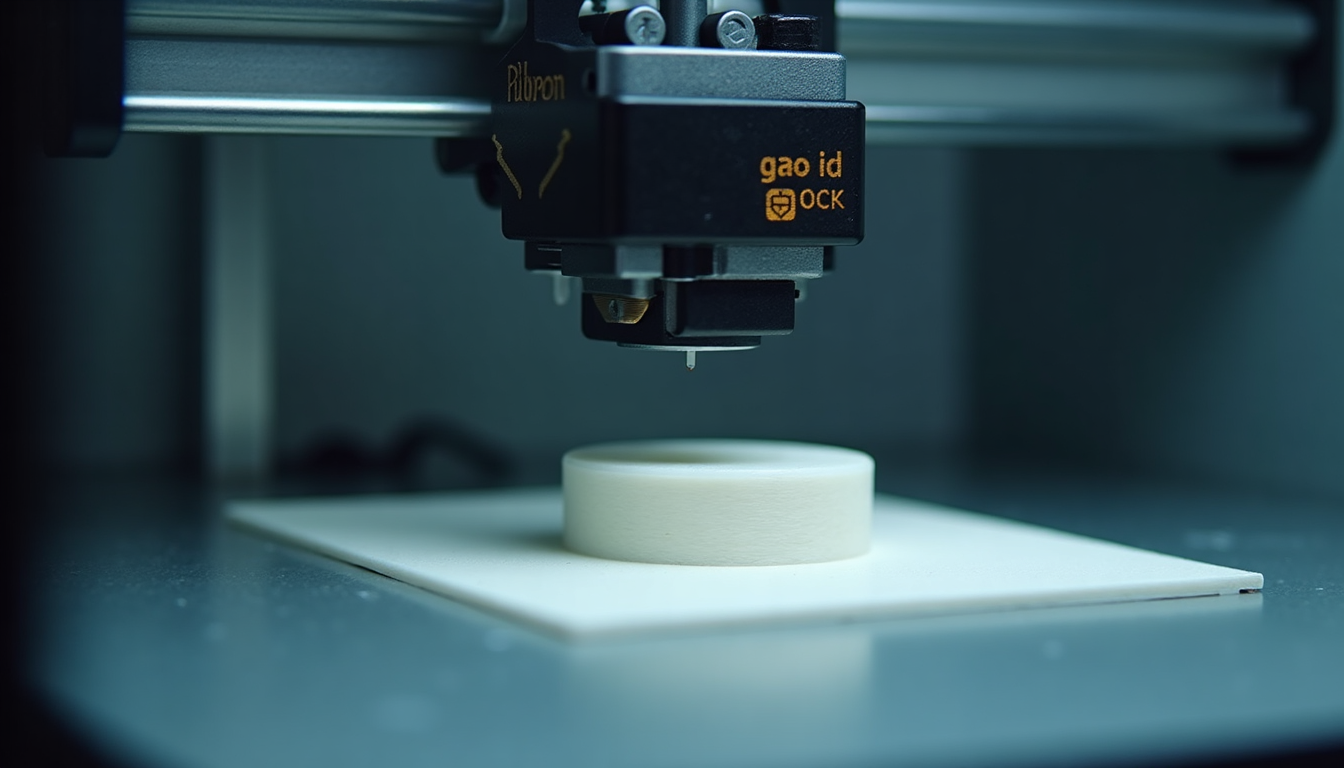
Printing the Object: The 3D printer builds the object layer by layer, using materials such as plastic, metal, or resin.
Post-Processing: After printing, the object may require cleaning, curing, or finishing to achieve the desired quality.
This technology has evolved significantly since its inception, with advancements in materials and printing techniques allowing for greater precision and versatility.
Benefits of Custom 3D Printing Solutions
Enhanced Customization
One of the most significant advantages of custom 3D printing is the ability to create tailored solutions that meet specific needs. Businesses can design products that cater to individual customer preferences, leading to higher satisfaction and loyalty. For example, in the healthcare sector, custom prosthetics and dental implants can be produced to fit the unique anatomy of each patient, resulting in better outcomes.
Rapid Prototyping
3D printing accelerates the prototyping process, enabling companies to bring their ideas to market faster. Traditional manufacturing methods often involve lengthy setup times and high costs for tooling. In contrast, 3D printing allows for quick iterations, enabling designers to test and refine their concepts without significant investment. This agility can be a game-changer for startups and established companies alike.
Cost Efficiency
While the initial investment in 3D printing technology may seem high, the long-term savings can be substantial. Custom 3D printing reduces material waste, as objects are built layer by layer rather than cut from larger blocks of material. Additionally, the ability to produce small batches of products on demand eliminates the need for large inventories, further reducing costs.
Complex Geometries
3D printing allows for the creation of intricate designs that would be impossible or prohibitively expensive to achieve with traditional manufacturing methods. This capability opens up new avenues for innovation, particularly in industries such as aerospace and automotive, where lightweight and complex structures can lead to improved performance and fuel efficiency.
Applications of Custom 3D Printing Solutions
Healthcare
In the healthcare sector, custom 3D printing is revolutionizing patient care. Surgeons can use 3D-printed models of organs to plan complex surgeries, leading to better outcomes. Additionally, custom implants and prosthetics are tailored to fit individual patients, improving comfort and functionality.
Aerospace
The aerospace industry has embraced 3D printing for producing lightweight components that enhance fuel efficiency. Companies like Boeing and Airbus are using additive manufacturing to create parts that are not only lighter but also stronger than those made with traditional methods.
Automotive
Automakers are leveraging 3D printing for rapid prototyping and production of custom parts. This technology allows for the creation of unique vehicle designs and the ability to test new concepts quickly. For instance, companies like Ford and BMW are using 3D printing to produce components that improve vehicle performance and reduce weight.
Consumer Products
From custom jewelry to personalized home decor, 3D printing is transforming the consumer products market. Businesses can offer unique, made-to-order items that cater to individual tastes, enhancing customer engagement and satisfaction.
Challenges and Considerations
While the benefits of custom 3D printing are significant, there are challenges to consider:
Material Limitations
Not all materials are suitable for 3D printing, and the range of available materials is still growing. Businesses must carefully select materials that meet their specific requirements for strength, flexibility, and durability.
Intellectual Property Concerns
As 3D printing technology becomes more accessible, concerns about intellectual property rights are rising. Companies must navigate the complexities of protecting their designs while also considering the potential for counterfeiting.
Quality Control
Ensuring consistent quality in 3D-printed products can be challenging. Businesses need to implement rigorous quality control measures to maintain standards and meet customer expectations.
Future Trends in 3D Printing
Bioprinting
One of the most exciting developments in 3D printing is bioprinting, which involves creating living tissues and organs. This technology has the potential to revolutionize healthcare, offering solutions for organ transplants and regenerative medicine.
Sustainable Materials
As sustainability becomes a priority for many businesses, the development of eco-friendly materials for 3D printing is gaining traction. Companies are exploring biodegradable plastics and recycled materials to reduce their environmental impact.
Integration with AI and IoT
The integration of artificial intelligence (AI) and the Internet of Things (IoT) with 3D printing is set to enhance the efficiency and capabilities of the technology. Smart printers that can monitor their performance and adjust settings in real-time will lead to improved quality and reduced waste.
Conclusion
Custom 3D printing solutions are unlocking innovation across various industries, offering enhanced customization, rapid prototyping, cost efficiency, and the ability to create complex geometries. As the technology continues to evolve, businesses that embrace 3D printing will be well-positioned to stay ahead of the competition. By understanding the benefits and challenges of this transformative technology, companies can harness its potential to drive growth and improve customer satisfaction.
The future of 3D printing is bright, with exciting developments on the horizon. As we move forward, businesses must remain adaptable and open to exploring new possibilities that this technology offers. Embrace the change, and unlock the potential of custom 3D printing solutions today.

Comments